

Origin and migration of the variety
This variety was originally collected from wild coffee forests in Ethiopia in the 1930s. From there, it went to the Lyamungu research station in Tanzania, and then, in 1953, it was transferred to the Centro Agronómico Tropical de Investigación y Enseñanza (CATIE) in Central America, where it was registered as T2722 material. In the 1960s, it was distributed in Panama by CATIE after its tolerance to coffee leaf rust was recognized.
Initial difficulties and limited popularity
Despite its disease resistance, the plant had brittle branches, which farmers disliked, meaning the variety was not widely planted or commercially used.
Breakthrough and global fame
Geisha coffee gained international recognition only in 2005, when the Peterson family from Boquete, Panama, submitted it to the "Best of Panama" competition and auction. It received exceptionally high scores and set a record price at a green coffee auction at the time, reaching over $20 per pound.
Confusion surrounding the name and origin
There is significant confusion surrounding the Geisha variety, as this name covers many genetically distinct plant types, many of which originate from geographically similar regions of Ethiopia. The latest genetic diversity analyses, conducted by World Coffee Research, confirm that the Panamanian Geisha derived from T2722 is genetically uniform and clearly distinguishable.
Sensory qualities
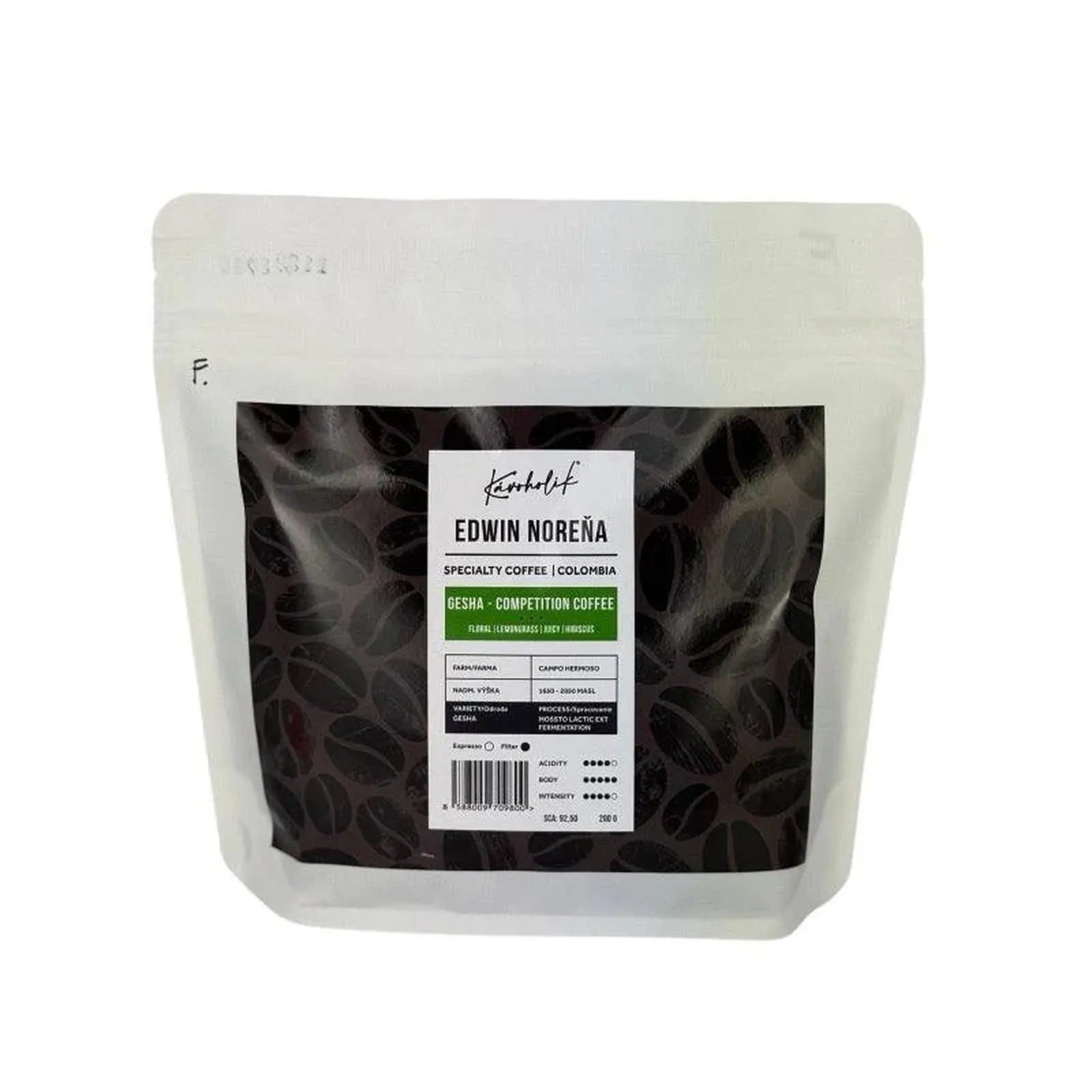
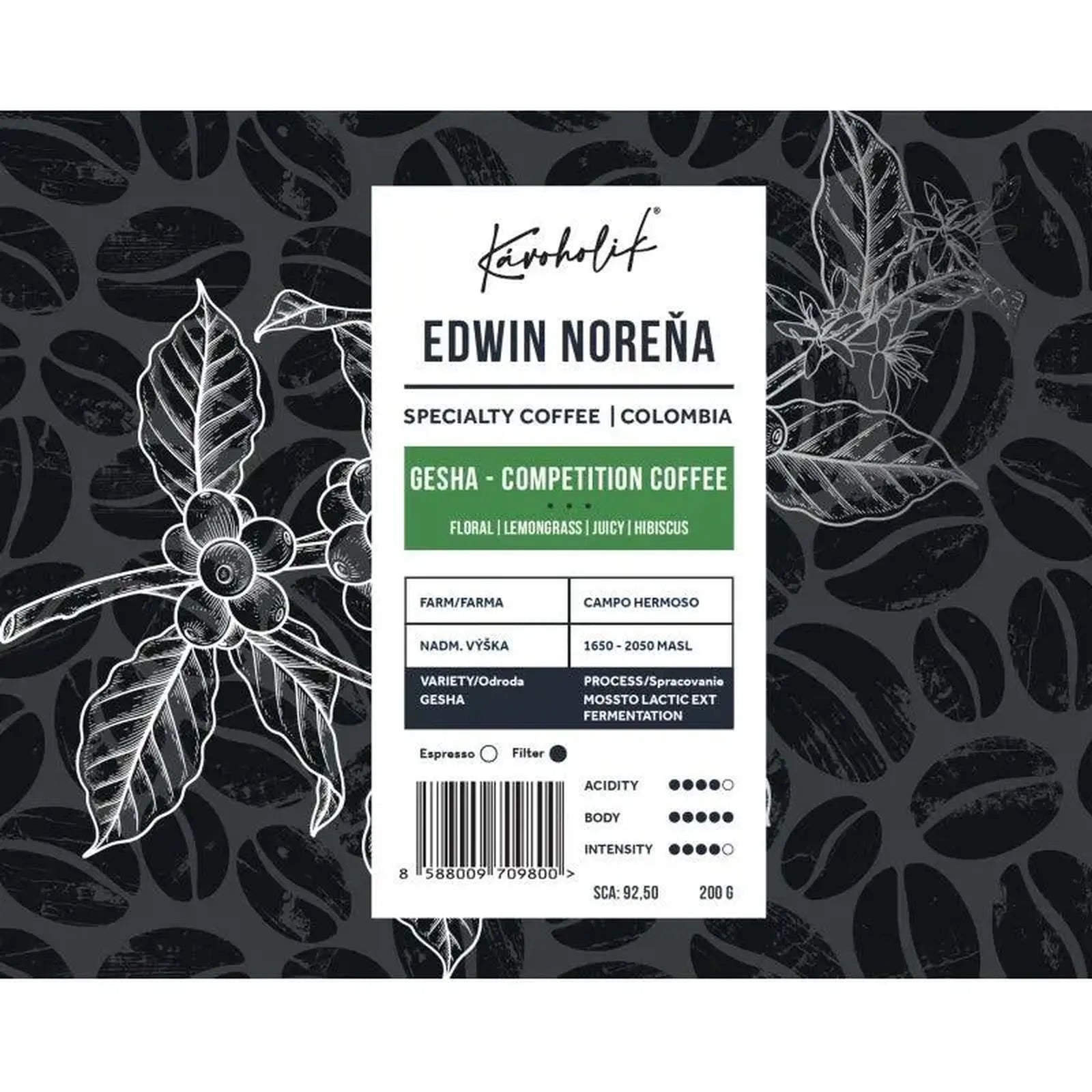
This variety is distinguished by its exceptionally high beverage quality, especially when properly cultivated at high altitudes. It is known for its delicate floral, jasmine aromas, and notes reminiscent of peach.
Spelling: Geisha vs. Gesha
The spellings "Geisha" and "Gesha" are often used interchangeably, due to the fact that there is no established way to translate local Ethiopian dialects into English. Initially, the coffee was registered in genetic material documentation under the name "Geisha," and this spelling was maintained for decades by scientists and gene banks. As a result, the form "Geisha" was first widely adopted in the coffee industry. However, this coffee was originally collected in Ethiopia in a region near a mountain whose name is most often translated into English as "Gesha." Consequently, many representatives of the coffee industry now prefer to use the latter spelling.



0 comments