

Ethiopia Guji Kercha Natural Yeast Fermentation espresso

Ethiopia Guji Kercha Natural Yeast Fermentation espresso
Berries, Orange, Bananas, and Wine
roasting plant
Concept
Origin
Ethiopia
Variety
Heirloom
Processing
Natural and Yeast Fermentation
Region
Guji
plantation
height
1900-2050
manufacturer
micro farmers
contents
Whole grains
basis weight
250g
purpose
Espresso
Roast date
Concept Coffee Roasters Ethiopia Guji Kercha Natural Process with Yeast
SCA: 88 pts.
Delicious! Intense flavor. A personal recommendation from Coffee Mates;)).
Origin:
Guji is one of the zones in the Oromia Region of Ethiopia. The name Guji comes from the Guji tribe, part of the Oromo people. This zone borders Borena to the south, the Southern Nations, Nationalities, and Peoples' Region to the west, the Ganale Dorya River to the north, which separates it from Bale, and the Somali Region to the east.
The highest point in this zone is Mount Dara Tiniro. Towns and larger localities include Negele, which is the administrative center of the region.
The Guji zone was established in September 2002, when the highland woredas of the Borena zone were separated and combined into a new administrative unit.
Processing:
This "wine-like" process gets its name because it uses techniques borrowed from the wine industry, though similar methods are also found in many other products resulting from controlled fermentation.
In short: coffee cherries ferment in hermetically sealed, oxygen-free stainless steel tanks, with very careful temperature monitoring.
Initially, the cherries are carefully sorted to ensure that only the ripest fruits are processed. They are then placed in a stainless steel fermentation tank equipped with a special water-filled fermentation valve. As fermentation begins, carbon dioxide (CO₂) is released, gradually accumulating in the tank. When the internal pressure exceeds atmospheric pressure, CO₂ escapes through the water in the valve as individual bubbles.
The valve prevents air from entering the tank, allowing for extended fermentation while reducing the risk of coffee spoilage and undesirable fermentation notes. Fermentation time depends on temperature readings inside the tank but typically lasts 4–5 days.
After fermentation, the cherries are dried traditionally — on raised African beds for 15–18 days. Once the appropriate moisture level is reached, the coffee goes through a resting period and is then transported to the central dry mill in Addis Ababa, where it undergoes further processing: hulling, grading, sorting, and manual selection, before shipment, for example, via Djibouti.
Packaging:
250g of coffee beans in an elegant jar

Concept

Ethiopia Whiskey Barrel Aged Omniroast
Ethiopia Whiskey Barrel Aged Omniroast
Avocado, Chocolate, and Apple

Colombia Jungle Juice Purple Caturra Anaerobic Co-fermented
Colombia Jungle Juice Purple Caturra Anaerobic Co-fermented
Passion fruit, Mango, Rose, Lychee, and Cocoa

Colombia Strawberry Ice Cream Co-fermented
Colombia Strawberry Ice Cream Co-fermented
Strawberries, Red Fruits, and Citrus Fruits

Indonesia Funky Wine Winey Process
Indonesia Funky Wine Winey Process
Wine, Pineapples, Grapefruit, and Cocoa

Colombia Summerjam Honey co-fermented
Colombia Summerjam Honey co-fermented
Yellow fruits, Pineapple, Yogurt, Citrus fruits, and Cocoa

Colombia Banana Swirl Natural Palatino
Colombia Banana Swirl Natural Palatino
Banana, Pineapple, Citrus, Vanilla, and Brownies

Kenya Ichamara AA Washed
Kenya Ichamara AA Washed
Raspberries, Hibiscus, Currants, and Black tea
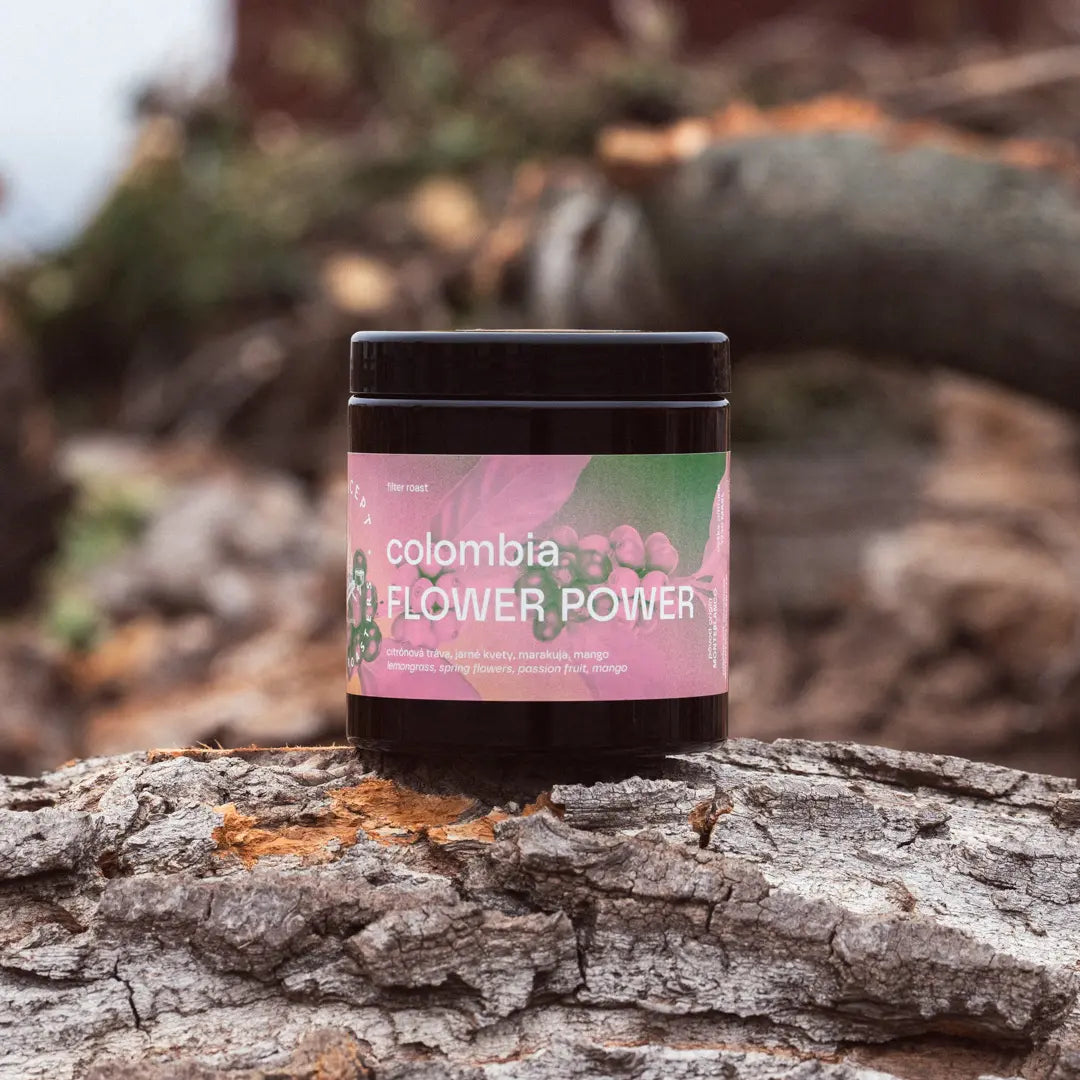
Colombia Flower Power Co-fermented Espresso
Colombia Flower Power Co-fermented Espresso
Lemongrass, Spring Flowers, Passion Fruit, and Mango