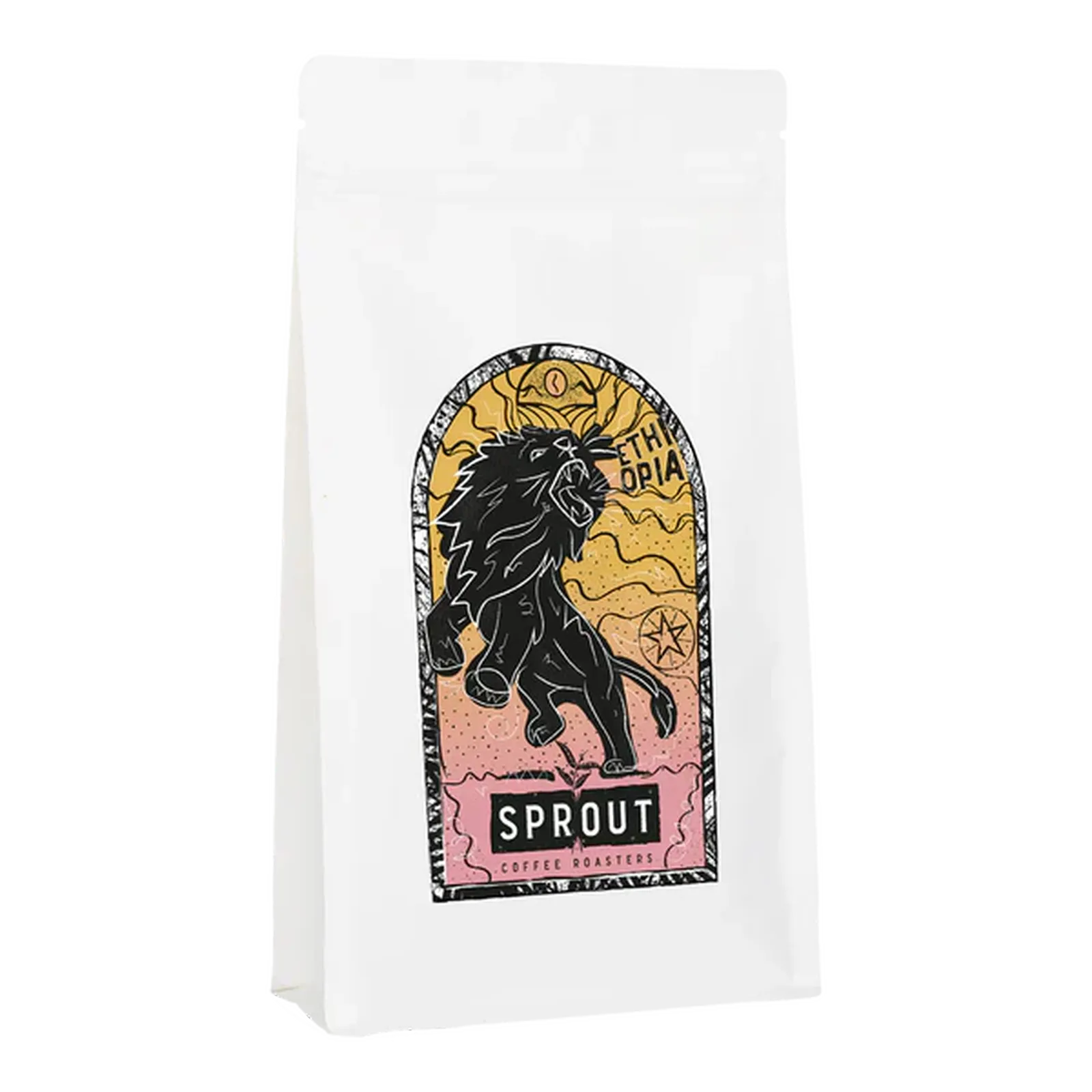
Coffee production in Ethiopia is highly dependent on three main seasons in the country. The Bega season (October-January) is a long dry period, crucial for coffee harvesting and processing. The Belg season (February-May) brings the first rains, essential for coffee flowering and early fruit development. The Krempt season (June-September) is characterized by heavy rains from the east, crucial for later stages of fruit development and ripening. At the end of September, the rains abruptly cease, allowing the coffee cherries to ripen, leading to an intensive harvesting period in November.
Ephtah Specialty Coffee is committed to building sustainable and collaborative supply chains that benefit customers, farmers, and their communities. The company emphasizes promoting the role of women in the coffee industry, recognizing their crucial role in driving social and economic change in Ethiopia. Ephtah ensures quality at every stage of the shipping process, focusing on delivering the highest quality green coffee beans and maintaining the satisfaction of all stakeholders in the supply chain.
Lalesa, located in Gedeb, has become an important sourcing point for Ephtah. The Lalesa facility is owned by Ephtah, with the land purchased in July 2023, followed by the construction of warehouses and drying stations in September 2023. The region is predominantly Christian, with Protestant and Orthodox adherents. The community benefits from various social projects initiated by Ephtah, including the opening of a daycare center for farmers' children and participation in the Ama Commitment program, which supports women working in agriculture. The farm, located at an altitude of 2150-2200 m above sea level, covers an area of 3.5 hectares and employs 20 permanent workers, with the number of employees increasing to 250 during the harvest season, from late November to January. The farm has 350 drying stations and cultivates Heirloom coffee varieties.
The lot in Lalesa, Gedeb, is cultivated at an altitude of 2150-2200 m above sea level and has a total weight of approximately 9000 kg. The coffee is grown naturally in the shade of trees, mainly Ensete (false banana). The coffee undergoes fermentation in plastic barrels for nine days, followed by drying for 13-18 days. It is stored in a warehouse and then, when ready, transported to Addis Ababa. The processing methods are chosen to ensure its highest quality. After drying and storage, the coffee is transported to Moplaco in Gerji, Addis Ababa, and then transported by train to Djibouti for export.
Ephtah has undertaken a number of social and environmental projects related to this coffee lot. In Gedeb, a daycare center for farmers' children is planned, and some of the women farmers from the region participate in the Ama Commitment program. Payments to farmers are set so that the first payment is made immediately upon delivery of the coffee to the site, ensuring timely remuneration for the coffee produced.
Ephtah also plans to grow other crops on its land, allowing local people to cultivate and sell them on the local market. In addition to coffee, farmers also produce Ensete and false bananas, from which a local dish called Kocho is made. Ephtah's Lalesa facility is the largest drying facility in Gedeb, further highlighting the company's commitment to quality and efficiency in coffee production.